I bought my first pair of adjustable dumbbells for a garage gym in 2014 and returned them inside a month. The collars backed off mid set, the plates rattled like a paint can, and I went back to a rack of fixed hex pairs that outlived three leases. Twelve years of coaching later, I still tell most people to start with an adjustable pair, and I still watch them get burned by the same three problems: a mechanism that jams, a handle that shreds hands, and a weight range that runs out in eight months.
That is why this comparison is narrow on purpose. I am not going to pretend one set is the best adjustable dumbbells for home gym work in every garage, because the honest answer depends on whether you are buying for a 12 pound shoulder rehab block or a 50 pound press. The four sets below cover the whole spread, from a 12.1 pound starter pair to a block set a serious lifter can grow into for years.
For most people reading this, the BowFlex Results Series SelectTech is the pick, because the dial mechanism is proven and the range covers a decade of training. If you want the most bombproof design and you do not mind a cage around your hand, the PowerBlock Elite EXP is the better long term buy. If you are buying your first pair and light loads are where you live right now, the 2 in 1 adjustable set is the cheap way in.
Here is how the four sets stack up.
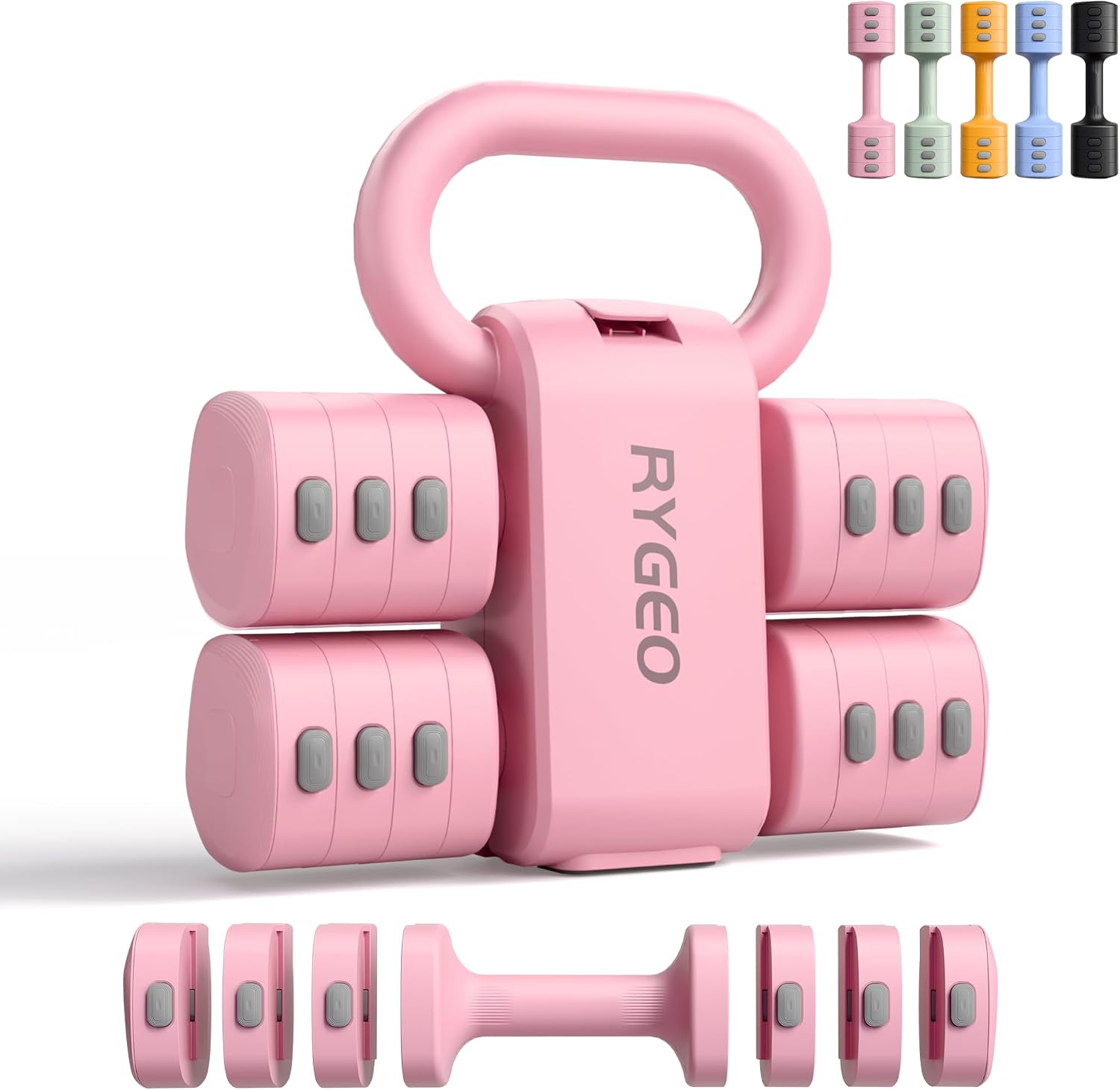
2-in-1 Adjustable Dumbbell Set for Women, 4 Levels (2.2lbs to 12.1lbs)
Cheapest way to start a light dumbbell habit at home, four levels per hand and a footprint that fits under a bed
Tops out at 12.1 lbs per hand, so it is a starter set, not a strength set
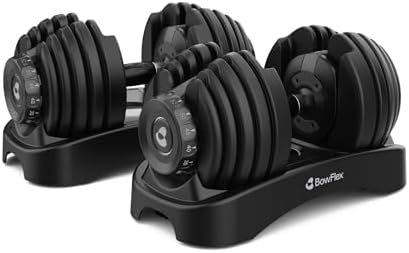
BowFlex Results Series SelectTech Dumbbells
Dial mechanism changes weight fast, and the range covers a decade of training for most people
Long handle body and a bulky cradle, and it is not a set you drop
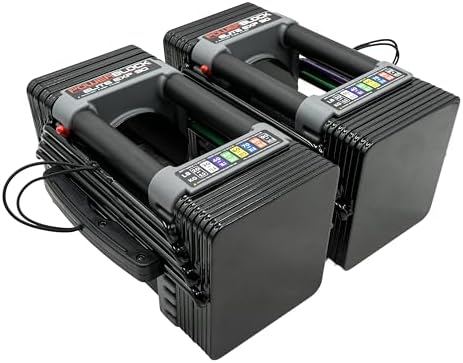
PowerBlock Elite EXP Adjustable Dumbbells, Sold in Pairs, Stage 1, 5-50 lb.
Block design is space efficient and bombproof, and you can expand it later with add on stages
The cage feel around the hand is not for everyone, and the shape takes adjusting
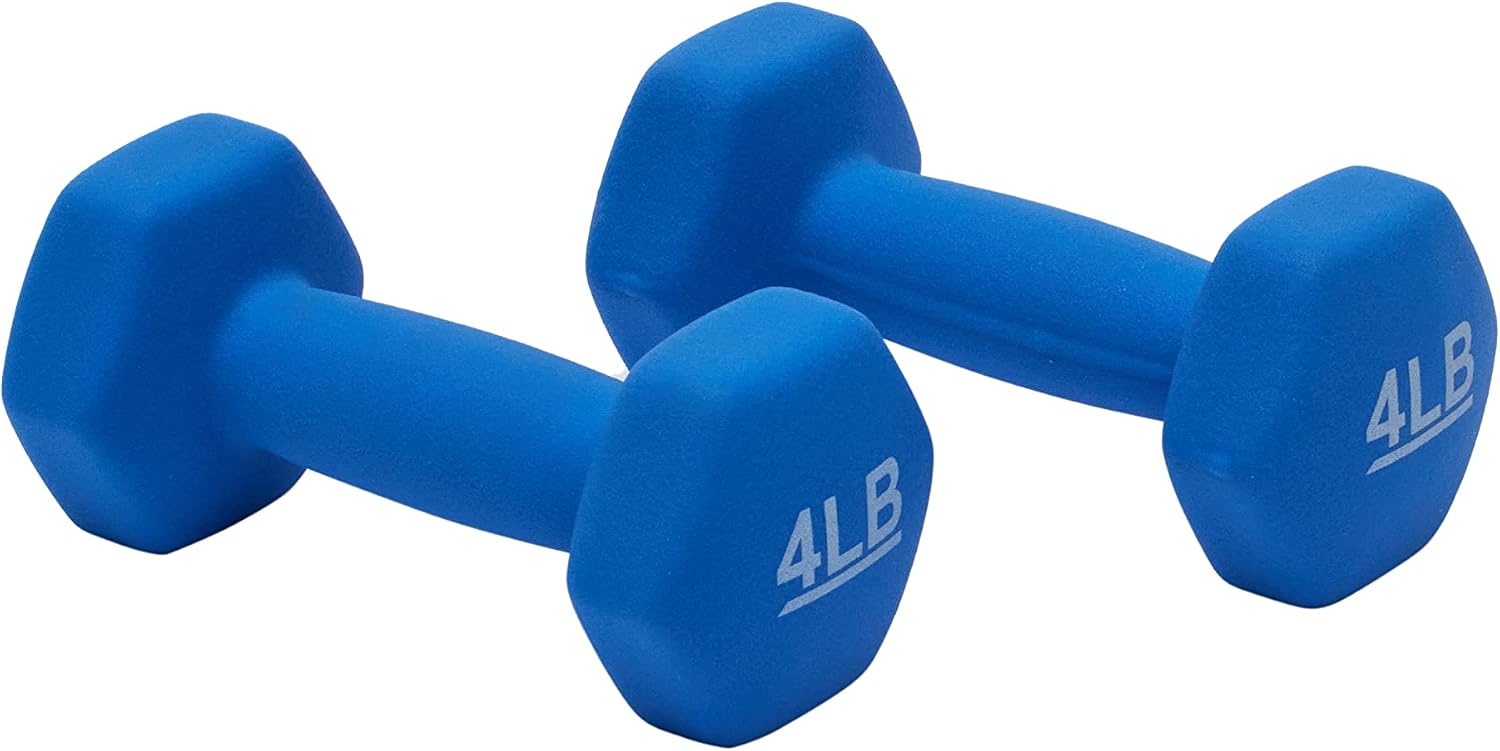
Amazon Basics Neoprene Dumbbell Hand Weights for Exercise and Muscle Toning
Cheapest entry point of the four, quiet on hardwood, and easy on floors and shins
One fixed weight, light loads only, no path to getting stronger
Prices and availability were captured from Amazon Creators API and may change.
How I judge a dumbbell
Four things decide whether a dumbbell earns a place in my gym or in a client's garage.
The knurling. This is the soul of the tool. Too smooth and you are fighting grip on every rep past the tenth. Too sharp and you are taping your palms by Wednesday. A good pattern is aggressive enough to hold chalk and skin without biting, and it runs the length of the handle, not just the middle. Cosmetic knurling, the kind that looks textured in a product photo and feels like polished pipe in your hand, is the single most common lie in this category.
The adjustable mechanism. Dials, cranks, locks, pins. The mechanism is the dumbbell. A smooth dial beats a crank that jams at 30 pounds with chalk on your fingers, and a mechanism that needs two hands and a prayer is a mechanism you will stop using by month three. The weight range is marketing. The mechanism is the product.
Whether the plates move. If a plate shifts under load, the welds or the locking system are lying to you. You feel it on a press first, a small click at the top of the rep, then a wobble on a row. That is the moment a set goes from training tool to annoyance.
The shape. Hex heads stay put when you set them down between sets. Round heads roll across a garage floor and find the one gap under your car. Block style adjustable heads are even better on space, and worse on feel, which is the trade you make.
BowFlex Results Series SelectTech: the dial most people should buy
If someone emails me asking for one adjustable pair for a home gym and they have no other constraints, this is the answer I give. The dial mechanism is the reason. You set the number, you pick the dumbbell up, the plates you did not select stay in the cradle. No collars to spin, no pins to lose, no counting plates at 5:45 in the morning.
The range is the second reason. A dial set like this covers the years where you are pressing 25s, rowing 40s, and curling 20s, which is where the vast majority of home training actually lives. Very few people outgrow a dial adjustable set. Most people outgrow their interest before they outgrow the weight.
What you give up is durability under abuse and a normal handle length. These are not dumbbells you drop. The cradle holds a lot of plastic, and a set like this wants to be set down, not tossed. The handle body is longer than a fixed hex dumbbell, so certain movements, like a tight overhead press or a close grip bench, feel slightly different than they would with iron. None of that matters for the average garage lifter. All of it matters if you train like a college athlete in a concrete room.
Check the BowFlex Results Series SelectTech dumbbells on Amazon
PowerBlock Elite EXP: the block set for a small room
The PowerBlock design solves a problem the dial sets do not: space. Two blocks sit on a shelf the size of a shoebox, and the weight lives inside the handle rather than around it. In a 10 by 12 foot garage where the car still has to park, that matters more than any spec on a box.
The build is the other half of the argument. This is the set I would trust to survive a decade of hard use, dropped plates excluded. The Stage 1 configuration gets you a 5 to 50 pound pair, and the expandable stages mean the set grows with you instead of being replaced. That is the opposite of how most home gym equipment works, and it is the reason I keep recommending the platform.
The honest downside is the feel. Your hand sits inside a cage, not around a handle, and the block shape changes how certain lifts load your wrist and forearm. Some lifters never notice. Others hate it on day one and never get past it. I have programmed for both types. If you can put your hands on a set before buying, do it, because this is a feel decision, not a spec decision.
Check the PowerBlock Elite EXP adjustable dumbbells on Amazon
The 2 in 1 adjustable set: a light starter pair
Not everyone is buying for a 50 pound press. A lot of people are buying their first pair of dumbbells for a small apartment, a shoulder rehab block, or a beginner program that starts with lateral raises and goblet squats. For that person, a 5 to 50 pound block set is overkill, and this is where the light adjustable sets make sense.
Four levels per hand, 2.2 pounds up to 12.1 pounds, and a design you can change with one hand. The footprint is small enough to live in a closet. For a beginner, that is a complete program for the first several months: presses, rows, curls, lateral raises, and the kind of high rep work that builds a base before you ever need real load.
The ceiling is the obvious problem. Twelve pounds per hand runs out fast for anything lower body, and a goblet squat at 12.1 pounds stops being a squat and starts being a warm up. Buy this as a first pair, not a forever pair, and plan to add heavier weight later. For a starter set at this price, that is a fair trade.
Check the 2-in-1 adjustable dumbbell set on Amazon
Amazon Basics neoprene: the fixed pair for light work
There is still a place for a fixed, single weight pair, and neoprene covers are why. They are quiet. They do not clang on hardwood at 6 a.m. They do not chip a coffee table or leave a mark on a laminate floor. If your training is 15 minutes of arm work in a living room, a fixed neoprene pair is the right tool, and it costs less than almost anything else in this category.
What you cannot do is progress. A fixed pair is one weight forever. That is fine for toning work, physical therapy, and the small accessory movements that fill the end of a session. It is useless the day you want to press something heavy. The neoprene also wears, and once it tears you are holding bare metal with a rough seam.
Buy these as a supplement to a real set, or as the very first pair for someone testing whether they will actually train at home. Do not buy them as your only dumbbells and expect a strength program to survive.
Check the Amazon Basics neoprene dumbbells on Amazon
The trade offs nobody puts on the box
Drop test. Most adjustable dumbbells fail it. The dial sets have plastic cradles and thin plate housings that crack. The block sets are tougher but not indestructible. The neoprene pair is a lump of metal with a coating. If you train alone in a garage and you fail reps, know what you are buying.
Space versus feel. Blocks win on space. Dial sets win on feel. Fixed hex pairs win on both and lose on cost and floor space. There is no set that wins on all three, and anyone who tells you otherwise is selling something.
Expansion. Only one of these four sets is designed to grow with you. The rest are what they are on day one. If you are three years into training and still getting stronger, that matters more than any other line in this table.
Noise and smell. Neoprene is quiet and odorless. Rubber coated plates can smell like a tire fire for weeks in a warm room. Adjustable sets rattle a little by design, because the plates have to move in and out. If you train above a downstairs neighbor, that rattle is a real consideration.
Mechanism wear. Any adjustable earns its place by surviving repeated weight changes, not by the number printed on the side. A dial that gets gritty, a pin that gets loose, a collar that backs off, these are the failures that end a set's life, and they happen at the mechanism, not at the plates.
Which one I would hand a client
If you are a beginner with a spare corner and a small budget, start with the light adjustable set and add a heavier pair when the 12.1 pound ceiling arrives. If you are a lifter who trains four days a week at home and wants one purchase that lasts, the BowFlex dial set is the safest bet for most people, and the PowerBlock is the better bet if you have very little space and you like the block feel. If you want a quiet pair for light accessory work and nothing else, the neoprene dumbbells do that job for less than anything else here.
The one mistake I see most often is buying a set for the person you want to be rather than the person training today. Buy for the next 12 months of actual workouts. The set that matches your real training will still be in your garage in five years.
What I am watching next
The adjustable category is getting clever, and clever usually means fragile. Every new mechanism I look at gets the same questions: does the knurling hold chalk, does the mechanism survive repeated changes, do the plates stay tight mid set, and would I put it in a paying client's hands. The four sets here answer those questions differently, and the answers are the whole comparison.